Niraj Gohil · Systems Engineer

I model
constrained systems.

Understanding what holds a system back.
Building around what matters.

Energy. Hydrogen. Supply chains. Complex systems. Attention.

8,760hours modeled
5Australian states
3dispatch scenarios
0.6kg CO2 per kg H2 threshold
20kg/h peak output
2-11$/kg production cost range

The idea behind the work

When an input becomes abundant,
the constraint moves.

Move your pointer through the network.

From energy and production to human attention, I study what limits a system and what happens when that limit shifts.

Read the argument

Selected work

One way of thinking.
Many possibilities.

I understand complex systems, find the constraint,
model the interactions, and build solutions around it.

Hydrogen research

The right energy.
At the right time.

Turning electricity variability into an operating decision. Carbon-aware hydrogen production, modeled across five Australian states.

Explore the researchPeer-reviewed · Sustainability · 2026
A day in the model.
24-hour grid carbon intensityModel data, gCO2/kWh. The clean threshold is below 320. Hours 11 through 15 fall below that threshold.00:0012:0023:00
24 hourly stepsCarbon intensity · gCO2/kWh

Model data · Shaded hours are below 320 gCO2/kWh.

An experimental architecture

Now I’m building
for the scarcest one.

Attention. An architecture designed to explore whether targeted intervention can restore cognitive control.

Explore ScopeUS provisional patent filed · 2026
Scope does not currently claim to detect, restore, or prove anything about attention. It is an architecture being developed to test whether those things are possible.

Semiconductor supply

The constraint
doesn’t stand still.

A model of advanced-node semiconductor supply, exploring how the binding constraint migrates across fabrication, equipment, and advanced packaging.

Explore the working draftSole author · Working draft · January 2026
FabricationEquipmentAdvanced
packaging

The binding constraint can move.
Conceptual illustration.

Selected figures

Results, in their own words.

Three charts from the hydrogen papers. See all six figures.

Built on AEMO NEM market data and Electricity Maps carbon signals. The same dispatch logic extends to battery storage and power market arbitrage.

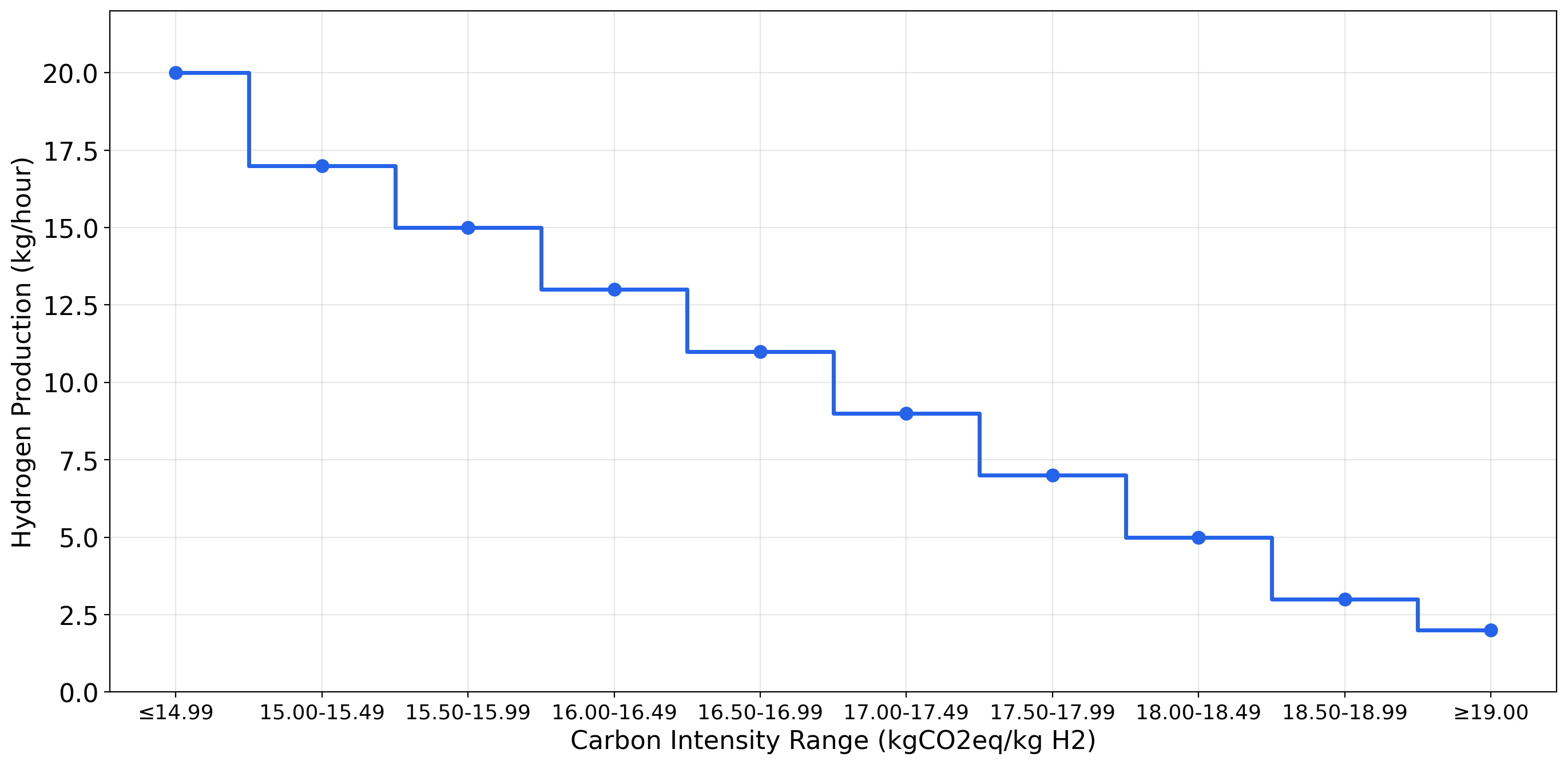
Step chart: hydrogen production rate versus grid carbon intensity range

Produce when the grid is clean.

The electrolyzer follows grid carbon intensity in tiers: full 20 kg/hour output in the cleanest hours, stepping down to 3 kg/hour when the grid runs dirtiest.

Open the paper
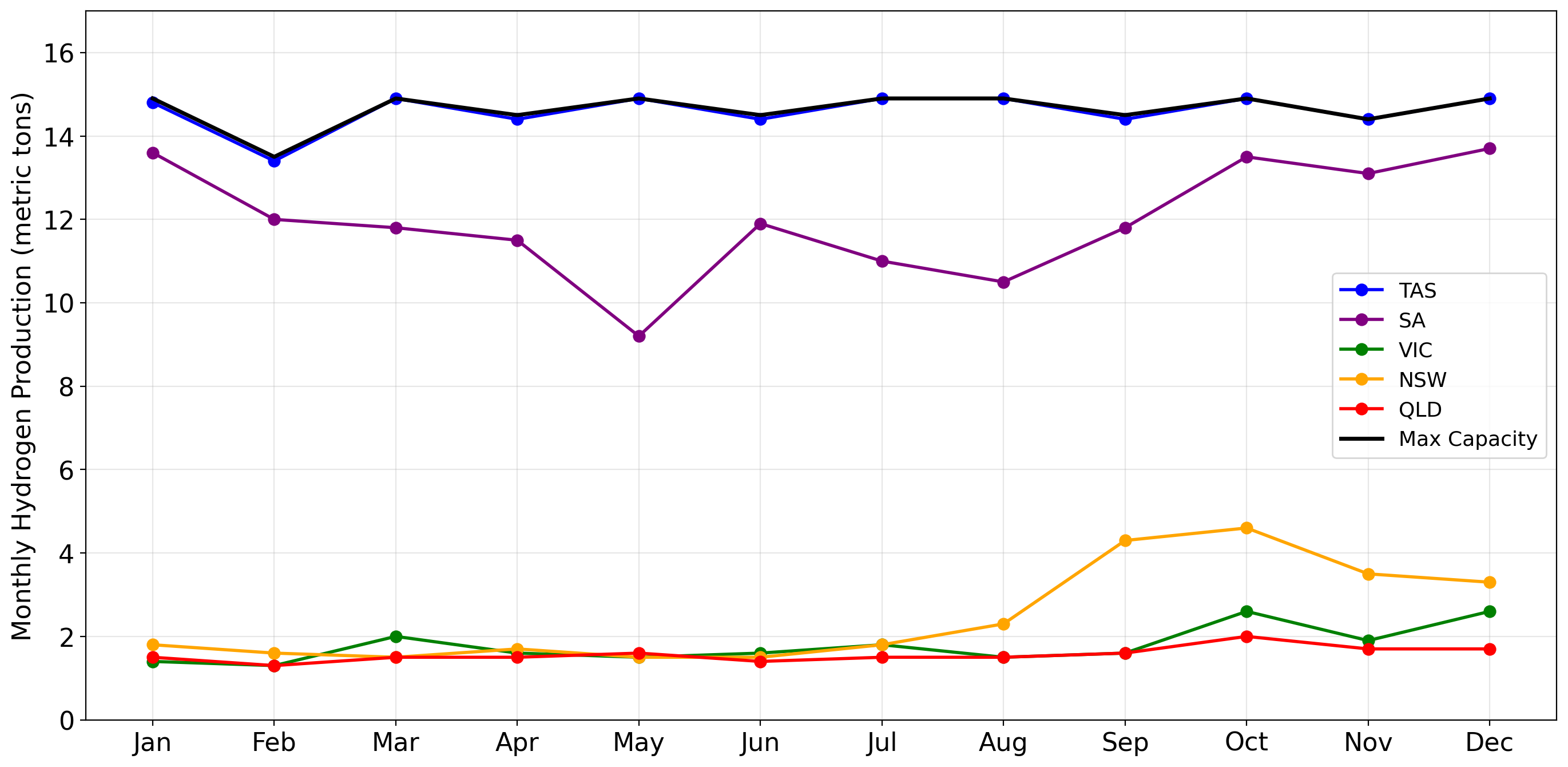
Monthly hydrogen production by Australian state

Where clean hydrogen wins.

Tasmania holds maximum capacity all year on its clean grid; South Australia runs high on renewables; the eastern states throttle back through carbon-heavy months.

Open the paper
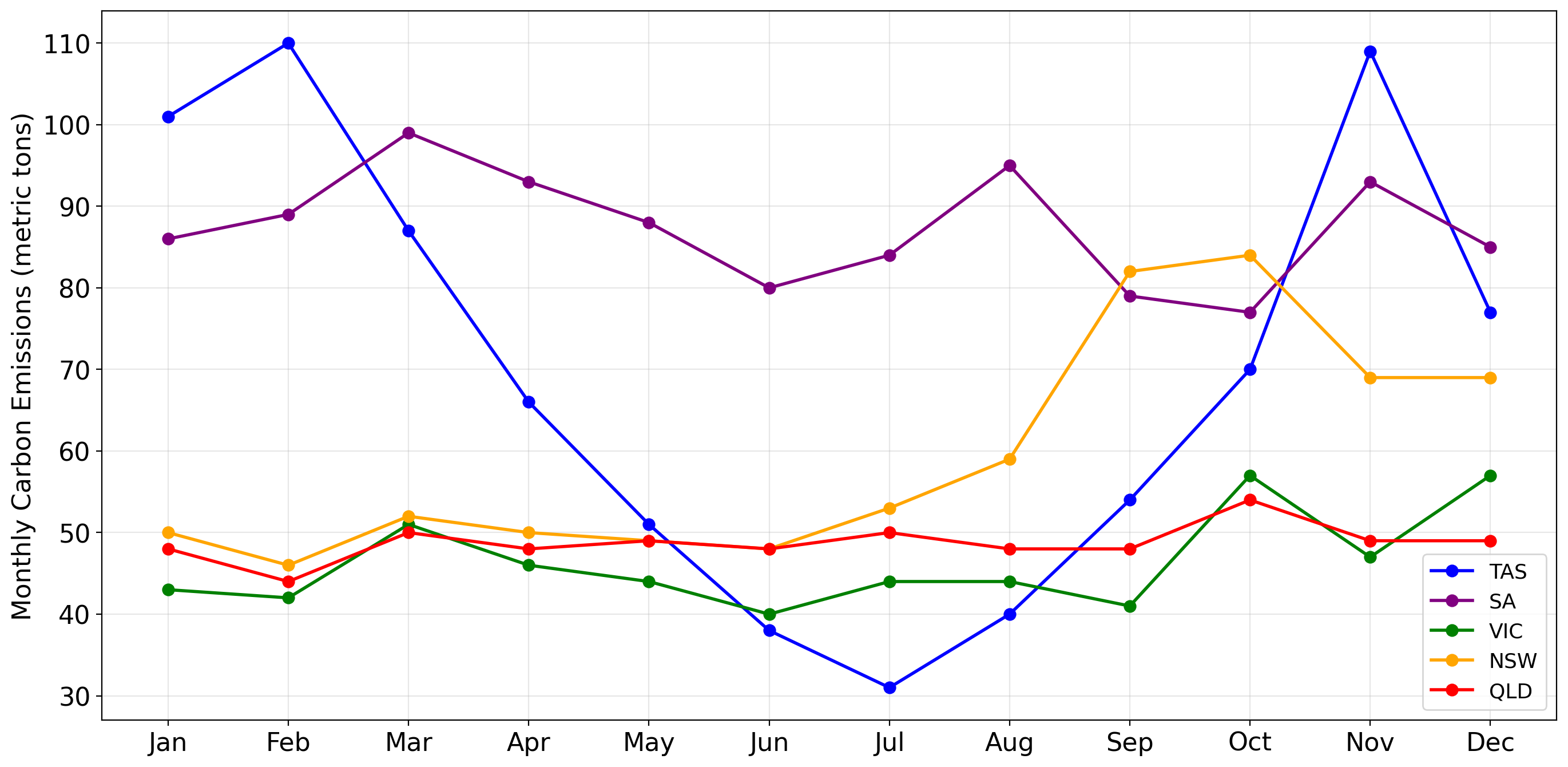
Monthly life cycle carbon emissions by Australian state

Emissions, cut by scheduling.

Concentrating output in clean-grid hours brings monthly emissions down sharply against flat production, with the deepest cuts where the grid is cleanest.

Open the paper

Systems methodology · R-02 preprint

The architecture
behind the analysis.

Model-based systems engineering and hetero-functional graph theory bring system structure into spatio-temporal life cycle analysis.

01 · Hetero-functional graph

Petri net.

View the activity diagram

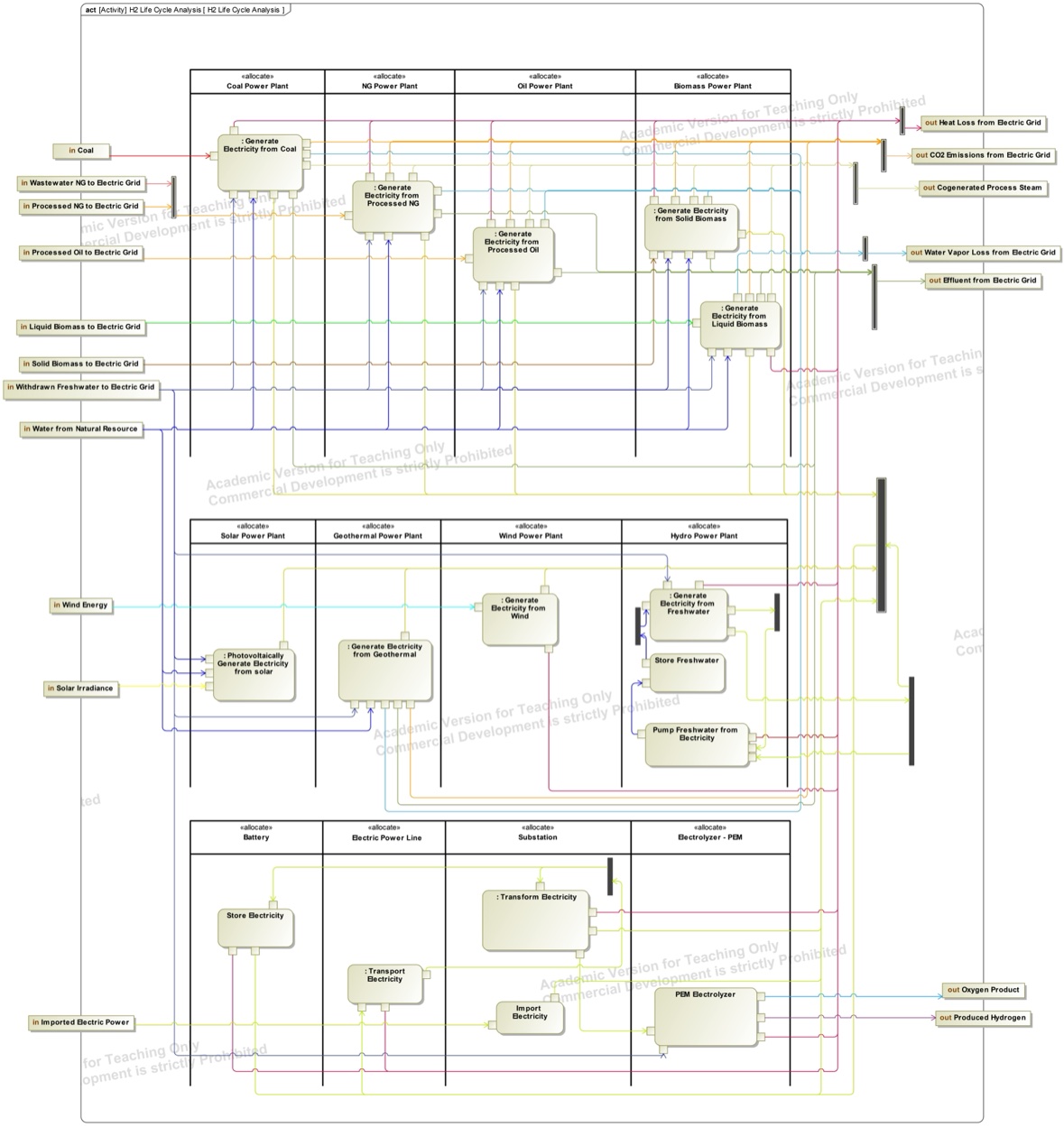
Follow electricity from generation to hydrogen. Circles represent operands, bars represent processes, and connecting lines represent flows.

100%
Click a power plant to trace its path to 1 kg of hydrogen.
Original research graph from the live website. Drag or scroll to pan. Use the zoom controls to inspect labels.

02 · SysML model

Activity diagram.

Open full resolution
SysML activity diagram: generation technologies, electricity transformation and transport, and PEM electrolysis with hydrogen and oxygen outputs.
The original SysML model shown on the live website. Open the diagram to inspect it at full resolution.

Research, with the record intact.

Ideas worth
looking into.

1 peer-reviewed article · 2 preprints · 1 working draft.

A little about me

Systems engineer.
Researcher.
Product builder.

6+ years across industry and applied research, connecting models to the decisions they inform.

Based in Jersey City, NJ. Open to select technical roles and relocation across the USA.

Currently on STEM OPT; requires H-1B visa sponsorship for US roles.

Professional overview

Employment: Stevens Institute of Technology and Hexaware Technologies. Research internship: CSIRO. Research collaboration: Argonne National Laboratory, not employment or affiliation.
An essay on attention

The Oldest Problem
That Was Never Solved

The one thing AI can’t give you.

Read the essay · 16 min

Let’s talk

What are you
working on?